Pages

Showing posts with label Winter learning journey. Show all posts

Friday, 14 July 2017

7.#Keep New Zealand Beautiful

  1. #Keep New Zealand Beautiful
Dawn breaks on Day #7 – the final day of your Great Kiwi Road Trip. You wake up early, ready to make the long trek back to Auckland. Along the way, Curious Kiwi stops at two beautiful places, Taupo and Rotorua, for you to get out and walk around.
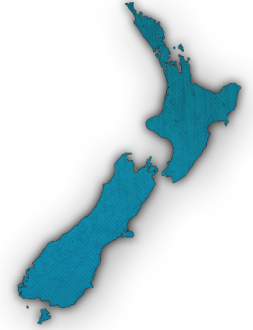
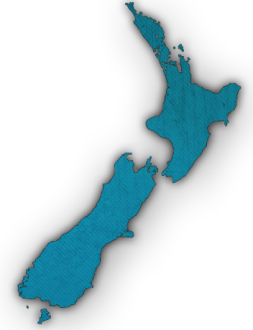
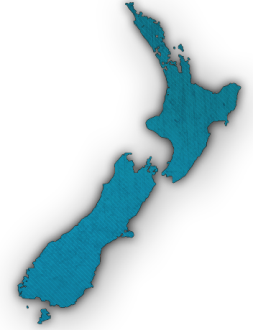
Activity 1: While in Taupo, you go for a walk around the lake and you notice pieces of rubbish floating in the water. You also notice that there is rubbish on the footpath. As you know, it is really important to put rubbish in the bin and keep New Zealand clean and beautiful for generations to come. C:\Users\rwil313\Desktop\NZ Map - Schematic.png
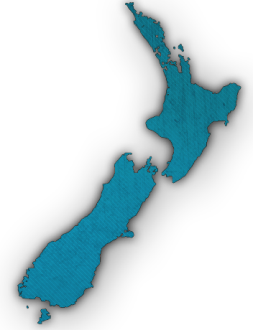


http://www.kiwidaydreaming.com/p/new-zealand-maps.html
With that in mind, it is time think about what you can do to keep New Zealand beautiful. Use your imagination and come up with three things that you could do to make your neighbourhood more beautiful. Post your list on your blog ☺
Answers:
  1. I would do is make a group in my neighborhood and every 4th Saturday we clean our  neighborhood.  Go around picking up rubbish.

  1. Create a group or gather as much people as I can get. Each person has to at least collect 15 pieces of rubbish.

  1. Create a garden or if you have already have an garden, plant more flowers to increase the look of your neighborhood.
Activity 2: After you have finished up in Taupo, it is time to hop back in the car and head for Rotorua – a town where will have the chance for some much needed rest and relaxation. In fact, you will visit the Tarawera Bush Pool – a geothermal hot pool that is located in the middle of a forest. The warm water in the pool comes from underneath the ground. After a few hours in the pool you feel really relaxed.
On your blog, post a picture of yourself doing something relaxing. I find reading really relaxing. Here is a picture of me reading one of my favourite books!
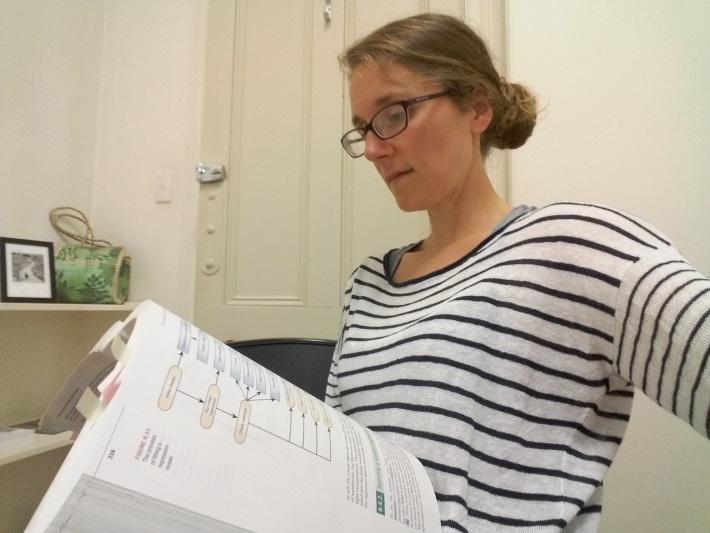
H:\Blogging Study\WLJ 2017\Rach - Selfie (reading).jpg
After a long soak in the natural hot pools, it is time to get back home. Your family and friends can’t wait to see you and they can’t wait to hear all about your adventures. Take a moment to think about what you have seen and done over the past week.
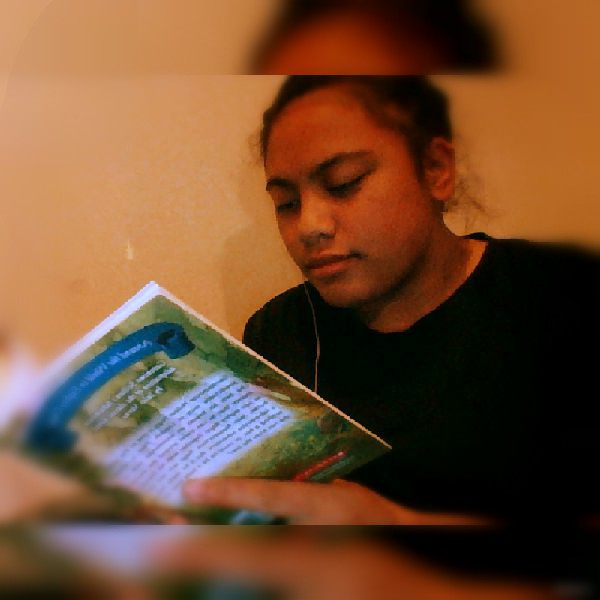

PIXECT-20170714130151 (1).jpg

Thursday, 13 July 2017

Day #6: Native Aotearoa

Day #6: Native Aotearoa
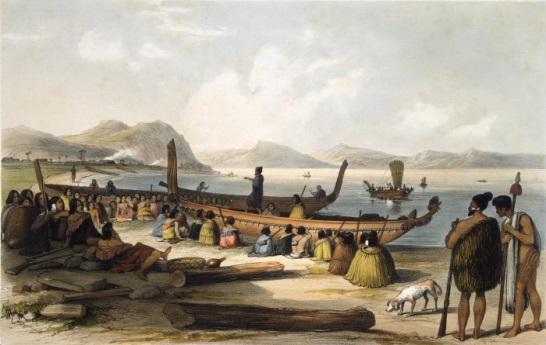
Welcome to Day #6 of your journey and the last day in the south island. You are going to start the day by traveling 63 km north up State Highway 1 from Dunedin to a place called ‘Shag Point.’ Shag Point is one of five places in the south island where the Maori arrived hundreds of years ago to settle in New Zealand. They arrived at Shag Point in large canoes called ‘wakas.’ For more information on Shag Point and other Maori landing places, go to the Waka landing places website.

C:\Users\rwil313\Desktop\NZ Map - Schematic.png


http://www.kiwidaydreaming.com/p/new-zealand-maps.html
Activity 1: Let’s imagine that you were on the first waka to arrive at Shag Point. You had never been to New Zealand before and you had no idea what to expect. Write a poem describing how you would have felt when you arrived in New Zealand. Would you have been excited or scared? I would have felt pretty nervous, I reckon…
I would feel so scared and frightened
Because I see new faces
I saw new different places and spaces

C:\Users\rwil313\Desktop\Waka picture.jpg

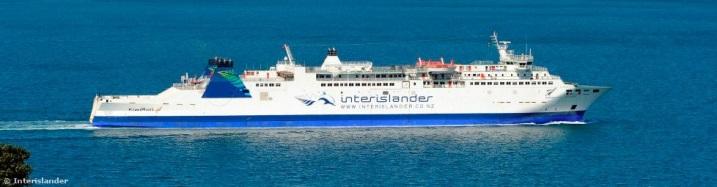
Activity 2: After visiting Shag Point, you hop back in the van and drive all the way up the east coast of the south island until you reach the town of Picton. You get out of the van and onto the Interislander ferry. It travels back across the Cook Strait to Wellington. Wellington is the capital city of New Zealand and every winter the city hosts a huge Matariki festival to celebrate the Maori New Year. This year part of the festival is being held at Te Papa, a big museum in Wellington.
Read about the Matariki festival at Te Papa.  There are so many different things to see and do at the festival this year. On your blog, tell us about three of the events. You can choose any three events that you wish.
Answers: The first event I would definitely go too is the Mata and the Mysterious Musical Maunga.  The second event I would visit is The Māori Sidesteps. The last event I would go to is Te Whare Mātoro: Haka fusion.

Wednesday, 12 July 2017

Day #5: One Step at a Time…

Day #5: One Step at a Time…
After a long day at the beach, it is now time to move away from the water and drive inland, through the middle of the south island. You are going to start in Nelson and drive south before crossing a huge mountain range called the ‘Southern Alps.’ The scenery is going to be amazing!
Activity 1: After a few hours in the car, you, your group and Curious Kiwi arrive at your first stop – The Lewis Pass Scenic Reserve. It is a beautiful, regional park located at the base of the Southern Alps. You and your group get out of the van and follow Curious Kiwi. He is going to lead you on a short walk through the park. As you start walking, you notice a really cool looking tree on the side of the trail and you stop to take a closer look. When you turn back, the group (and Curious Kiwi) is nowhere to be found. Eek! You are all alone in the middle of a strange forest.
My stomach starts churning like a washing machine. I could feel goosebumps running down the back of my neck when I turn around as see that the group and Curious Kiwi has disappeared. Trudging through the mud and yelling for them. I think to myself, "This is hopeless, I am never going to find them. They are probably long gone by now." Cautiously walking through the Southern Alps. Branches hit me in the face while I try and not slip from the mud. I think to myself again, "Will I ever find them?!"
For this activity write a short story (8-10 sentences) about what might happen next. Please be sure to include lots of details about what you might be feeling, seeing and doing after you realise that you are all alone in the forest...

C:\Users\rwil313\Desktop\NZ Map - Schematic.png


http://www.kiwidaydreaming.com/p/new-zealand-maps.html
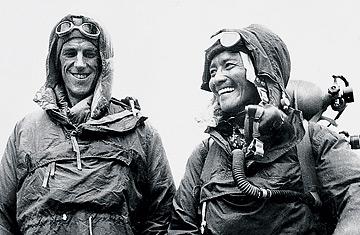
Activity 2: After the adventure at The Lewis Pass Scenic Reserve, you are pretty happy to get back into the shuttle van and continue with your road trip. Over the next few hours you travel up and over the Southern Alps, arriving in the city of Christchurch to eat lunch. You have a delicious meal at a café downtown and then hop back into the van to travel to Twizel, a small town at the base of Aoraki-Mt Cook. Mt Cook is the largest mountain in New Zealand. It is also the mountain where Sir Edmund Hillary trained for his climb up Mt Everest – the tallest mountain in the world. Sir Edmund Hillary is very famous because he was the first person to ever reach the top of Mt Everest!


C:\Users\rwil313\Desktop\Sir Edmund Hillary pic.jpg
Now it is your turn to learn about a famous New Zealander. Use Google to research one famous person from New Zealand and then create a DLO and post it on your blog. Be sure to include: 1. The name of the famous person, 2. Where they were born, 3. Why they are famous, and 4. Two other interesting facts about them.

Tuesday, 11 July 2017

Day #4: Swimming with the Sharks

Day #4: Swimming with the Sharks
By the end of Day #3, you have seen a lot of the north island of New Zealand.  Hopefully you have enjoyed it and you’re excited for the next phase of your journey – the ferry trip across the Cook Strait from the bottom of the north island to the top of the south island. You will spend the next two days exploring the south island before you head back up to Auckland, via Wellington (the capital city of New Zealand).
C:\Users\rwil313\Desktop\Interislander Ferry (NZ).jpg


Activity 1: When you arrive in the south island, Curious Kiwi rents a shuttle van and drives your group from Picton (the town where the ferry dropped you off) to a beautiful beach on the opposite side of the island. The beach area is called Golden Bay and, at one end of the bay, is a stunning area called Farewell Spit.

C:\Users\rwil313\Desktop\NZ Map - Schematic.png

http://www.kiwidaydreaming.com/p/new-zealand-maps.html
Farewell Spit has been in the news recently as a number of whales accidentally swam into the spit and became stuck on the beach. They were unable to swim back to the ocean because the water was too shallow. Many local people tried to save the ‘beached’ whales. Please follow this Farewell Spit link to learn more about what happened. On your blog, describe what the local people did to try and save the beached whales.
Answers: Some people wet them until they find a way to get them off the beach and into the water. Some people even dig holes where the whale is and then put water in the hole so the whale can breath.


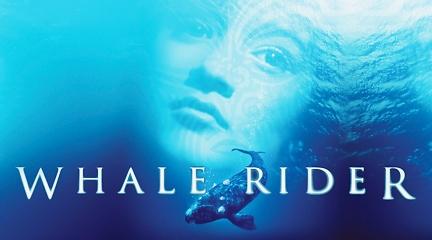
Activity 2: After a morning of learning about beached whales in Golden Bay, you and your group are driven to a nearby town, Nelson, to watch a special movie called ‘Whale rider.’ It is a famous movie about a young girl who was born and raised in New Zealand. Watch the following movie trailers for Whale Rider: Whale Rider trailer #1 and Whale Rider Trailer #2 and then write a summary of the movie on your blog. What is it about? Be sure to also give the movie a rating out of 5 based on the trailer [1 = bad movie, 2 = okay movie, 3 = pretty good, 4 = good movie, 5 = excellent movie].
C:\Users\rwil313\Desktop\Whale Rider movie poster.jpg
When ‘Whale Rider’ finishes, you and your tour group enjoy a delicious meal in downtown Nelson before heading back to your hotel. You need to go to bed early because you have to get up at 4:30 a.m. the next morning to travel back to Farewell Spit to see a group (pod) of Hector’s Dolphins. It is going to be an early morning!

Answers: I think that this movie is about a young girl. Her twin brother dies at birth and she has to carry out the name Paikea. The name Paikea has been carried out for generations. It is a tradition for the first born boy in each generation to carry the name Paikea. But this generation Paikea is the name of a girl. Her koro dislikes her because she is not a boy. She trains in secret to be a leader/warrior.

Monday, 10 July 2017

Day #3: Wild Eyes

Day #3: Wild Eyes
You have now woken up after a long, comfortable sleep at your hotel in Dargaville. You’re ready for another day of adventuring! Today, you will drive around the North island and be introduced to amazing animals that live here in New Zealand. Some are native and some are non-native. Native animals are animals that normally live in New Zealand. Non-native animals are animals that were brought into New Zealand from another country. Examples of native New Zealand animals are the kakapo, the kiwi, the kea parrot, the yellow eyed penguin and the pekapeka bat.

C:\Users\rwil313\Desktop\NZ Map - Schematic.png


http://www.kiwidaydreaming.com/p/new-zealand-maps.html
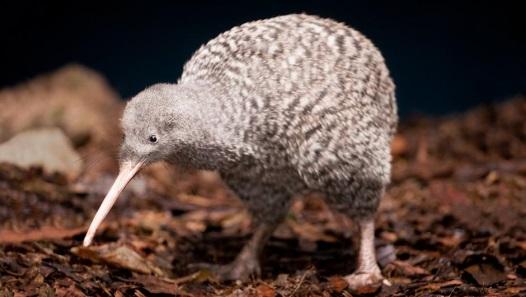
Activity 1: Curious Kiwi, a native New Zealand bird, is your tour guide for today. He is going to take you to visit the Otorohanga Kiwi House and Native Bird Park where many of his aunties and uncles currently live. The bird park is a five hour drive from Dargaville so you hit the road right after breakfast and arrive in Otorohanga at lunch time. As you walk through the birdhouse you learn about the work being done to conserve and protect the native birds of New Zealand. You decide to help out by ‘adopting’ a native animal. Visit the ‘Adopt a Critter page’ on the Otorohanga bird house website to choose one animal to adopt. On your blog, tell us the name of the animal that you chose and a little bit about them. What kind of animal are they? What do they eat? Where do they normally live? You can use Google to help you with your research.
C:\Users\rwil313\Desktop\Otorohanga Spotted Kiwi.jpg


Answer: The New Zealand pigeon or kereru.  Māori call it kererū in most of the country but kūkupa and kūkū in some parts of the North Island. The New Zealand pigeon belongs to the family Columbidae and the subfamily Treroninae. They feed largely on fruits, mainly drupes.


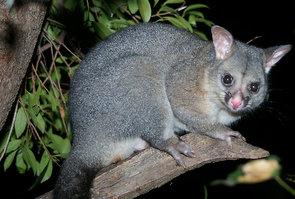
Activity 2: After your great visit to the Otorohanga bird house it is time to hop back onto the bus and head towards the Hawke’s Bay – your resting place for the evening. Hawke’s Bay is a beautiful region of New Zealand. It is known for its wineries and gorgeous scenery. When you arrive in Napier, the largest city in the region, you go for a walk through Waitangi Regional Park and notice that many of the leaves on the native trees have been damaged. Curious Kiwi tells you that they were damaged by possums, non-native predators, from Australia. People in New Zealand are working hard to trap and kill these predators. Their goal is to remove all of the possums (and other predators) by 2050. Go to the ‘Predator Free 2050 website’ to read more about their work.
C:\Users\rwil313\Desktop\Possum pic.jpg
On your blog, tell us whether you agree that New Zealand should be predator free. In your opinion, is it right to kill all of the predators (eg. possums) or should we just leave them alone? On your blog tell us what you think and give us, at least, three reasons why you think this way.
Answers:

  1. I think we should kill possums because they are pests. Pests attack crops, food, livestock etc. They also eat nectar and berries which mean less food for birds.
  2. The adult possums eat New Zealand's native birds.
  3. The damage a possum causes costs New Zealand farmers about $35 million each year.

Sunday, 9 July 2017

Day #2: New Zealand by Land and Sea

Day #2: New Zealand by Land and Sea
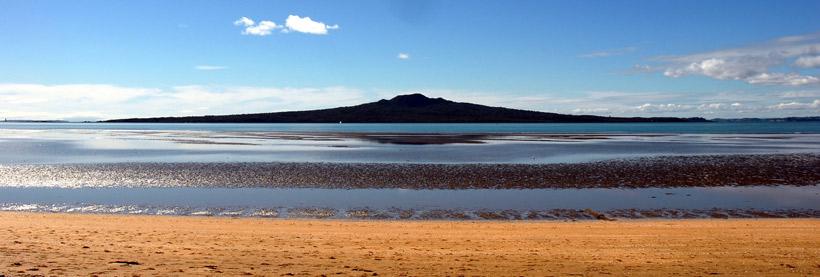
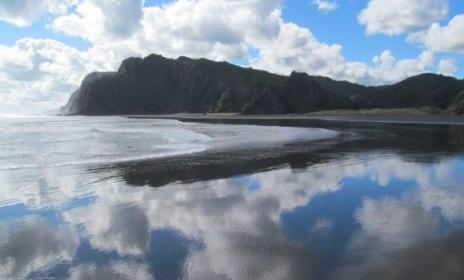
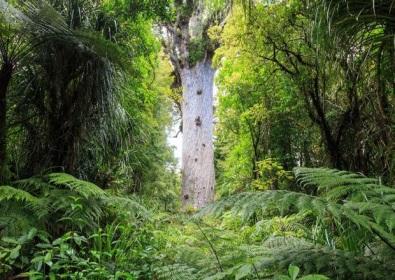
After a short ride through Auckland it is time to start exploring the rest of the country. Today you are going to venture around the north island of New Zealand to look at active volcanoes, gorgeous beaches, windswept coastline and lush, green bush. As a group, you will start at Rangitoto, the largest volcano in New Zealand before driving west to Karekare, a stunning beach on the outskirts of Auckland. You will finish the day by driving north to visit Tane Mahuta, the oldest living kauri tree in New Zealand.
C:\Users\rwil313\Desktop\Rangitoto island pic.jpgC:\Users\rwil313\Desktop\Karekare beach.jpgC:\Users\rwil313\Desktop\Tane Mahuta.jpg

Activity 1: After a very busy day of sightseeing you and your group drive from Tane Mahuta to your hotel in Dargaville. When you arrive you decide to sit down and record your thoughts in your travel diary.

C:\Users\rwil313\Desktop\NZ Map - Schematic.png


http://www.kiwidaydreaming.com/p/new-zealand-maps.html
Before you start writing, take a minute to read more about Rangitoto island, Karekare beach and Tane Mahuta.  On your blog, tell us which of the three places you most enjoyed visiting and why.  
I loved visiting Rangitoto Island because of the wonderful landscape. I also liked the mountains you can walk through and see all of the beautiful views. I would also like to walk through the underground tunnels. I want to see the inside of New Zealand's youngest volcano. Another reason why I want to visit Rangitoto Island is because of its name. In Maori Rangitoto means bloody sky. Rangitoto comes from the phrase “Ngā Rangi-i-totongia-a Tama-te-kapua” which means “The days of the bleeding of Tama-te-kapua”. Tama-te-kapua was the captain of Arawa Waka and was bady wounded on the Island because of a lost war Tainui Iwi.

Activity 2: As an island nation, New Zealand is completely surrounded by water. It is the perfect place for people who like to swim or to sail! While in Dargaville, recovering from your busy day of sightseeing, you notice a number sailboats going by. One of the boats is manned by a young German girl named Laura Dekker. At the age of fourteen she sailed around the world the entire world by herself. You can watch a short video clip about her adventures here: Laura Dekker sailing trip.   
Let’s imagine that you had the chance to interview Laura while in Dargaville. On your blog post five questions that you would ask her.
Questions:
  1. Did you feel scared sailing on the water by youself?
  2. How did you feel when it was stormy weather?
  3. How did you feel sailing on the water by yourself?
  4. What was your reaction when you saw land in the first 18 days?
  5. How did you manage all by yourself at sea?

Bonus Activity: When you finish your interview with Laura, you decide to keep on interviewing people. For this activity, your task is to conduct a real interview with an actual member of your family. Please ask them to think about their five (5) favourite things to do in the out-of-doors. They can be things that they enjoy doing on land or in the water. Post the list of outdoor activities on your blog.
I have interviewed my cousin.

  1. She likes to play rugby.
  2. She likes to have picnics with her family.
  3. She likes to play netball.
  4. She likes to go to the beach with her friends.
  5. She likes to play volleyball at the beach.